

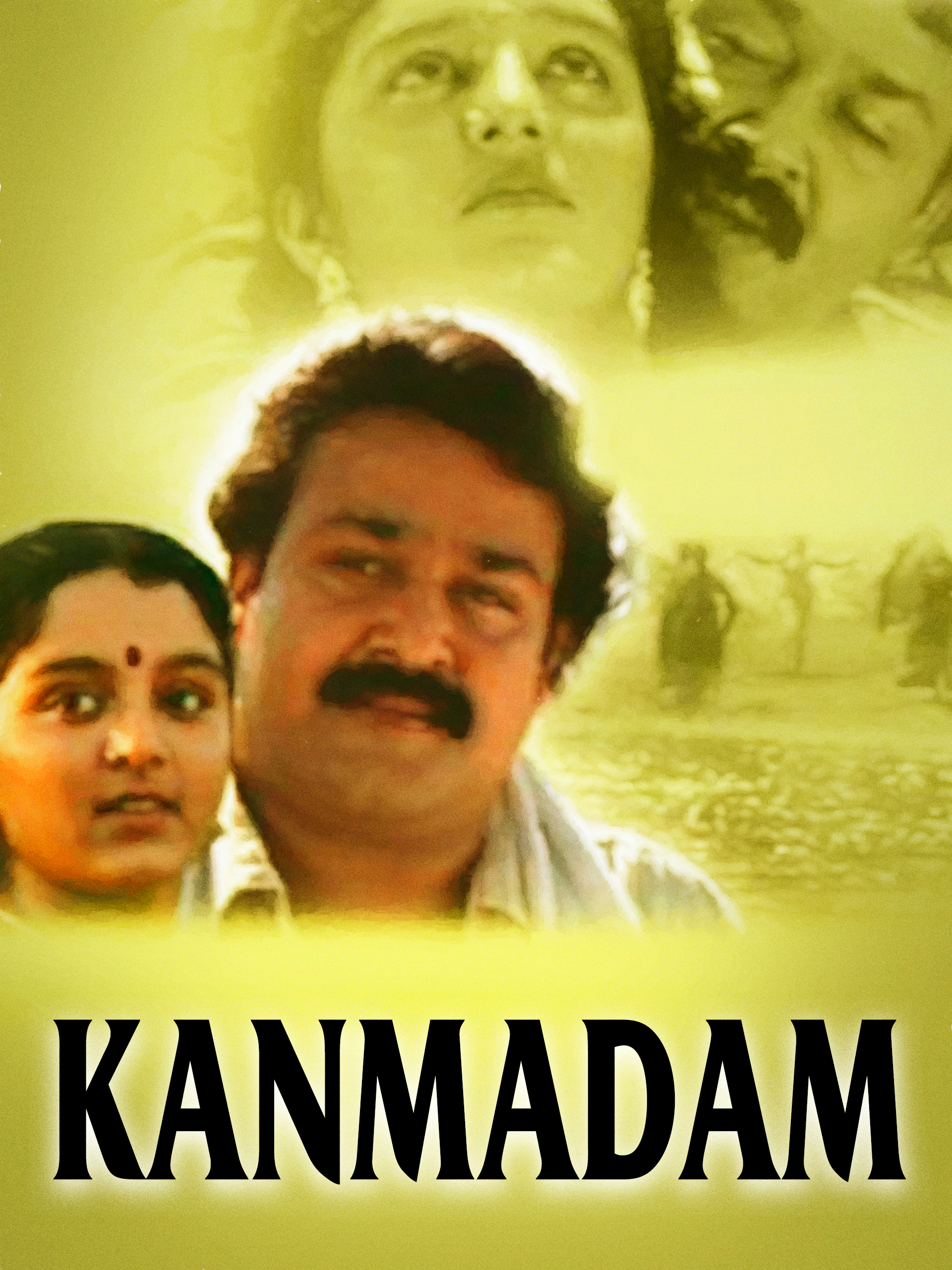

While polished blockbusters and multi-starrers often dominate the conversation, true cinephiles know that the king of the Malayalam film industry – Mohanlal’s most volatile and visceral performances were forged in the crucible of rustic, character-driven dramas. Today we will be talking one of the movies of his career that was released under his own banner Pranavam Arts, and the movie is Kanmadam. The movie was released in 1998, and it was written and directed by the legendary filmmaker A.K. Lohithadas. The movie remains one of the most underrated triumphs of Malayalam cinema.
Stripping away all superstar mannerisms, Mohanlal delivered a masterclass in controlled aggression and quiet redemption. Today we will be checking out the 5 reasons why Kanmadam stands tall as an absolute must-watch classic.
Vishwanathan: The Reluctant Guardian of the Ashes
Mohanlal plays Vishwanathan, an ex-thug from the rough streets of Bombay trying to outrun his past. When an unfortunate twist of fate links him to a stranger named Damodaran, Vishwanathan travels to a scorched, dry village in Palakkad to deliver the news to his grieving family.
The magic of the cinema was his entry as Vishwanathan enters on eggshells—guilt-ridden, cautious, and seeking quiet atonement. Mohanlal portrays this internal burden with a heavy, melancholic stillness that anchors the entire film.
The Volcanic Chemistry with Manju Warrier
If Vishwanathan is simmering coal, Bhanu which is the name of the character of Manju Warrier. The character is raw fire and she showcases a fiercely short-tempered, overworked blacksmith who is the sole provider for her broken family. Bhanu’s aggressive hostility slowly breaks under Vishwanathan’s silent resilience and offers us one of the greatest character equations in Malayalam cinema. Their unspoken tension communicates more than pages of dialogue ever could.
A.K. Lohithadas’ Uncompromising Realism
Lohithadas was a master of human psychology, and Kanmadam is arguably his most dust-laden, unflinching look at societal judgment, poverty, and redemption. Every character—from the cynical villagers to the marginalized women—feels painfully real, living on the absolute fringes of moral grey areas without easy cinematic shortcuts.
Raveendran Master’s Haunting Melodies
The soundscape of Kanmadam is inextricably tied to the dry, searing winds of Malampuzha. Composed by Raveendran with lyrics by Gireesh Puthenchery, timeless tracks like Manjakkiliyude weave a haunting lyrical spell that contrasts sharply with the harsh reality of the narrative, elevating its emotional resonance.
The Aesthetic of Desolation
Cinematographer Ramachandra Babu captured the blistering, parched landscape of Palakkad (where temperatures soared to brutal highs during production) so vividly that the heat practically bleeds through the screen. The physical exhaustion of the actors matches the emotional burnout of their characters, creating an immersive, sweaty realism that modern digital grading rarely replicates.
So it is not just a movie but it was a psychological excavation of guilt, survival, and love blooming in the middle of a wasteland. It reminds us why the collaboration between Mohanlal and Lohithadas changed the DNA of character-driven storytelling in Indian cinema.






Leave a Comment